Reviewing Nurse Day SVG Cut Files 11 for Embroidery
As a designer who spends half my life digitizing and the other half stitching, I approach every new machine embroidery design with a mix of optimism and skepticism. We have all been there: downloading a file that looks pristine on screen, only to watch it turn into a tangled mess of thread breaks and puckering on the hoop. Today, I am taking a close look at Nurse Day ।। SVG Cut Files 11, evaluating it not just as a digital asset, but as a viable component for real-world embroidery projects.
When I first unzipped the package, my immediate impression was one of versatility. The inclusion of multiple formats—EPS File, SVG File, DXF File, PNG File, and JPEG File—suggests this is intended for hybrid workflows. While my primary focus is embroidery, having vector files like SVG and EPS allows for precise scaling before conversion or use in cutting machines for applique templates. This flexibility is crucial for modern craft business owners who often need to adapt a single concept across different production methods.
First Impressions and Visual Personality
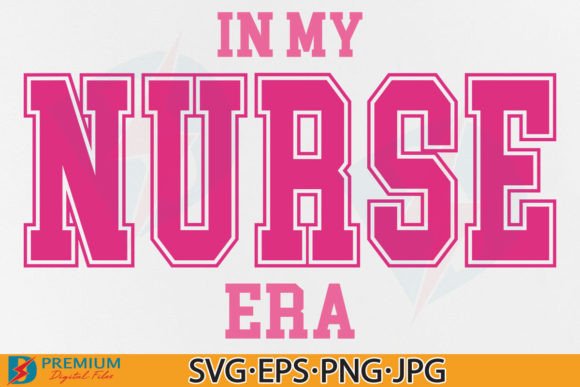
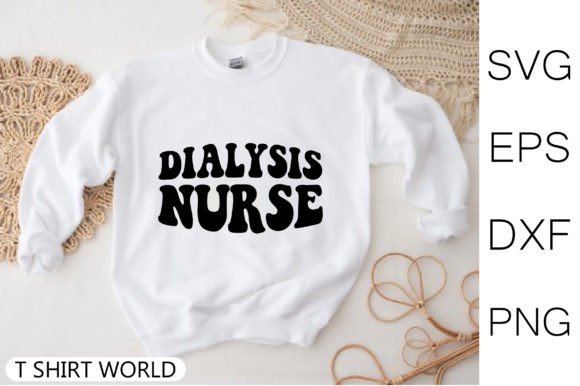
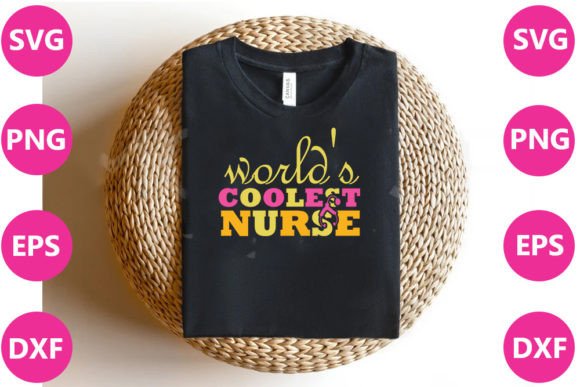
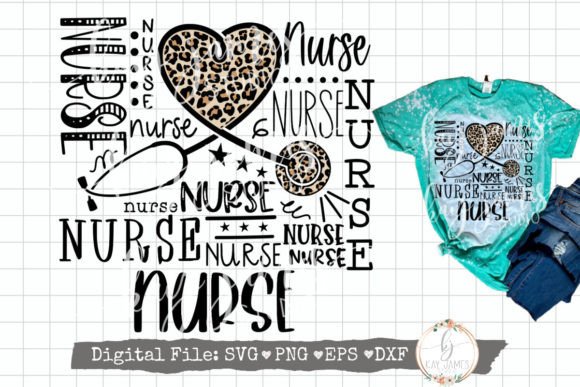
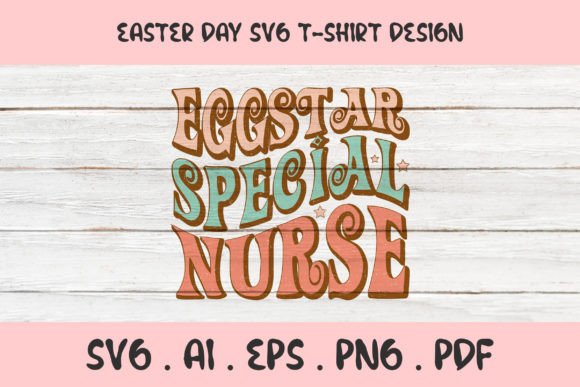
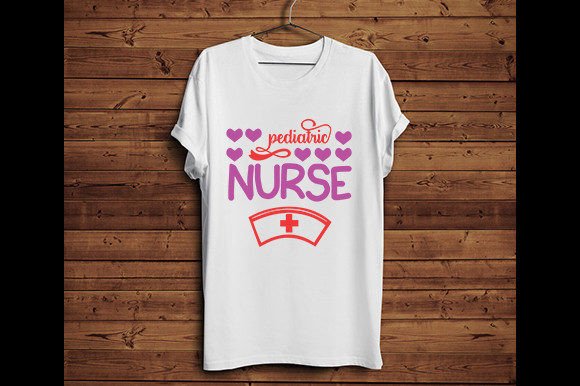
The visual personality of Nurse Day ।। SVG Cut Files 11 leans toward clean, recognizable symbolism. In the world of T-Shirt Designs and Graphics, clarity is king. A design that relies on overly intricate details often gets lost in the texture of fabric. This design appears to balance thematic elements with enough negative space to allow the stitches to breathe. For an Etsy seller or small shop product creator, this means the final product will look professional rather than cluttered.
I imagine this design working beautifully for a custom personalized gift. Picture a high-quality canvas tote bag destined for a nursing student’s graduation. The design’s layout suggests it would sit comfortably in a standard 5x7 or 6x10 hoop, providing enough presence without overwhelming the item. The mood is celebratory yet respectful, which is exactly what you want when creating merchandise for healthcare professionals.
Real-World Application and Stitching Performance
Let us move from theory to practice. If I were stitching this onto a heavy cotton sweatshirt, I would anticipate minimal issues with stability. However, the real test comes with trickier materials. For sweatshirt embroidery or cap projects, the density of the fill areas matters immensely. Since the specific stitch count is not provided in the basic description, I strongly advise running a test stitch on scrap fabric identical to your final garment.
One scenario where this design could shine is in applique design work. With the included SVG and DXF files, you can easily cut fabric shapes to serve as the base, then use the embroidery machine to tack them down and add decorative stitching. This technique reduces stitch density, making the final finished product softer and more comfortable against the skin—a critical factor for baby embroidery items or uniforms worn for twelve-hour shifts.
For those producing commercial embroidery batches, consistency is key. The vector nature of the source files ensures that if you need to resize the graphic for a smaller embroidered patch or a larger pillow cover, the lines remain crisp. This scalability protects your brand consistency, ensuring that a logo on a tiny hat looks just as sharp as the one on a large banner.
Material Considerations and Technical Constraints
Not every fabric behaves the same way. When using Nurse Day ।। SVG Cut Files 11 on textured fabrics like terry cloth towels or fuzzy fleece, you must consider how the stitches interact with the pile. A running stitch border might get lost, whereas a thicker satin stitch could provide the necessary contrast. On dark fabrics, ensure your thread colors have high visibility. I recommend testing a mockup in black and white first to check for contrast issues before committing to expensive rayon or polyester threads.
Stretchy fabrics present another challenge. If you are applying this to a performance polo or a stretchy knit, proper stabilization is non-negotiable. Use a cut-away stabilizer to prevent distortion after washing. Additionally, be mindful of curved surfaces like caps. If the design has wide, flat areas, it may require careful hooping techniques to avoid gaps or pulling.
Commercial Viability and Brand Value
For digital product sellers and creative entrepreneurs, the value of a design lies in its marketability. Does it solve a problem? Does it evoke an emotion? This design taps into the appreciation for healthcare workers, a evergreen niche. Whether used for holiday embroidery gifts during Nurses Week or as part of a boutique’s year-round inventory, it offers strong emotional resonance.
However, before listing any handmade product on your store, you must verify the licensing terms. The description mentions "Possible a," which is ambiguous. Do not assume commercial rights are included. Check the accompanying license file carefully. Selling finished items is often treated differently than reselling the digital file itself. Protecting your small business from copyright infringement is just as important as the quality of your stitching.
Practical Designer Notes
To get the best results from Nurse Day ।। SVG Cut Files 11, follow these practical steps:
- Test on Scrap Fabric: Always stitch a sample on the exact material you plan to use for the final product.
- Check Thread Contrast: Ensure your thread colors stand out against the fabric background, especially for small details.
- Review Stitch Density: If the design feels too dense, consider using applique techniques to reduce bulk.
- Confirm Hoop Size: Measure the design dimensions against your machine’s maximum hoop capacity.
- Inspect Small Details: Zoom in on the digital file to ensure no lines are too thin to stitch reliably.
- Use Proper Stabilizer: Match your stabilizer type to your fabric weight and stretch.
- Verify Licensing: Confirm whether the license allows for commercial sales of physical goods.
In conclusion, Nurse Day ।। SVG Cut Files 11 offers a solid foundation for various custom apparel and home decor projects. Its multi-format availability makes it a versatile asset for designers who work across cutting and stitching platforms. By paying attention to fabric choice, stabilization, and licensing, you can transform this digital file into a high-value handmade product that customers will cherish. Whether you are an experienced embroidery designer or a hobbyist looking to create meaningful gifts, this design holds promise for creating professional, appealing results.