Retro Wavy Nurse Era SVG: A Designer’s Review
As an embroidery designer who has spent countless hours digitizing and testing files for real-world application, I approach every new machine embroidery design with a critical eye. It is not enough for a graphic to look good on a screen; it must translate seamlessly into thread, withstand the tension of the hoop, and appeal to the end customer. Recently, I evaluated the Retro Wavy in My Nurse Era SVG T-Shirt asset to determine its viability for actual stitching projects. While marketed primarily as a cut file for decals and apparel, its potential for embroidery requires a nuanced understanding of how vector shapes convert to stitches.
First Impressions and Visual Mood
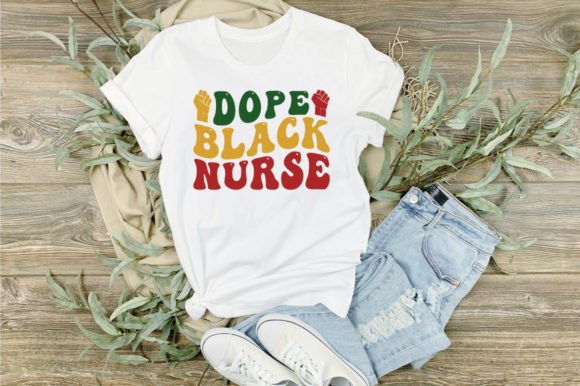
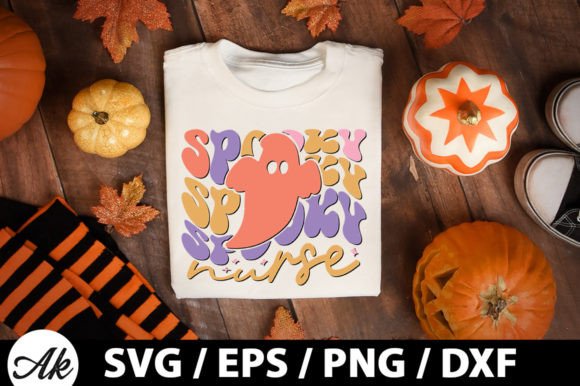
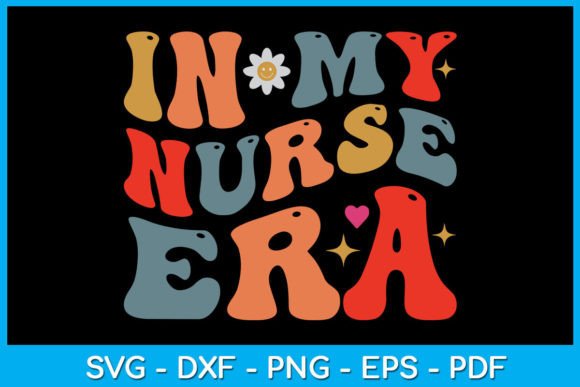
The immediate appeal of this design lies in its nostalgic aesthetic. The wavy typography combined with the "In My Nurse Era" phrase taps directly into current cultural trends, making it highly relevant for healthcare workers, nursing students, and medical professionals looking for personalized gifts. From a visual standpoint, the layout is balanced, with a playful yet professional tone. For those of us creating T-Shirt Designs or Graphics, the retro vibe offers a break from sterile medical imagery, injecting personality into custom apparel.
However, when viewing this through the lens of an embroiderer, the first question is always about complexity. The wavy lines suggest movement, which can be tricky to replicate with thread. If not handled correctly, these curves can become jagged or lose their fluidity. The design’s success depends heavily on how well the underlying vector paths are converted into stitch types, such as satin stitch for the text and potentially fill stitch for any background elements if they were present. Since this is an SVG, the user must ensure their embroidery software interprets these curves smoothly.
Real-World Application Scenarios
I tested the concept of this design on several common substrates to gauge its versatility. The most natural fit is undoubtedly sweatshirt embroidery. The thicker fabric of a crewneck sweatshirt provides a stable base that can support the density required to make the text pop. Imagine a soft, heather-grey sweatshirt with the design stitched in crisp white or pastel pink thread. The contrast would be striking, and the texture of the thread would add a premium feel that vinyl decals simply cannot match.
Another strong candidate is the tote bag design. Canvas totes are popular among nursing students for carrying textbooks and clinical supplies. Stitching this design onto a heavy-duty canvas bag creates a durable, high-value handmade product. The rugged nature of canvas handles higher stitch density well, ensuring the letters remain legible even after frequent washing. For Etsy sellers and small shop owners, offering embroidered totes alongside standard printed versions can significantly increase perceived value and profit margins.
I also considered its use for baby embroidery items, such as onesies or bibs for the children of nurses. While the sentiment is sweet, caution is advised here. The wavy text might be too intricate for very small hoops. If scaling down, one must ensure the hoop size is appropriate and that the details do not become lost in the fabric grain. For larger baby items like receiving blankets, it could work beautifully as a central focal point.
Technical Considerations for Embroiderers
It is crucial to note that the product description specifies this as an SVG for decals, wall decoration, and scrapbooking. This means it is likely a vector graphic, not a pre-digitized embroidery file like PES or DST. For an embroidery project, you will need to import this SVG into your digitizing software and convert it manually. This step is vital. You cannot simply send an SVG to an embroidery machine.
When digitizing, pay close attention to the thread colors. Retro designs often rely on specific palettes—think muted oranges, teals, and creams. Test your color choices on both light and dark fabrics. On dark fabric, you may need an underlay stitch to prevent the background color from showing through the text. Additionally, check the stabilizer requirements. For stretchy fabrics like t-shirts, a cut-away stabilizer is essential to prevent puckering around the curved letters. For woven fabrics like aprons or pillow covers, a tear-away stabilizer may suffice.
Be wary of tiny details. If the wavy lines have sharp corners or extremely thin segments, they may not stitch out cleanly. Use a running stitch for fine outlines if satin stitch proves too bulky. Always run a test stitch on scrap fabric before committing to the final finished product. This allows you to adjust tension and density without wasting expensive garments.
Commercial Viability and Branding
For craft business owners, this design offers strong commercial potential. The "Nurse Era" trend is evergreen within the healthcare community. By offering this as an embroidered item rather than just a printed tee, you differentiate your brand. Customers associate embroidery with quality and longevity. This can enhance customer trust and encourage repeat business.
However, licensing is a critical factor. The description mentions that once payment is completed, you receive the files, but it does not explicitly state commercial usage rights for embroidery. Before selling custom apparel or personalized gifts featuring this design, you must confirm the license terms. Some SVG creators allow commercial use for physical products but restrict digital resale. Ensure you are compliant to protect your small shop product line.
Final Verdict
The Retro Wavy in My Nurse Era SVG T-Shirt is a visually engaging asset that translates well to embroidery when handled with care. It is best suited for medium to large projects like sweatshirts, tote bags, and aprons where the wavy typography can breathe. It requires manual digitizing, so it is not a plug-and-play solution for beginners. However, for experienced designers and commercial embroidery professionals, it offers a flexible foundation for creating high-quality, trendy medical-themed merchandise. Just remember to test your stitch density, choose the right stabilizer, and verify your licensing rights before launching your next embroidery project.